
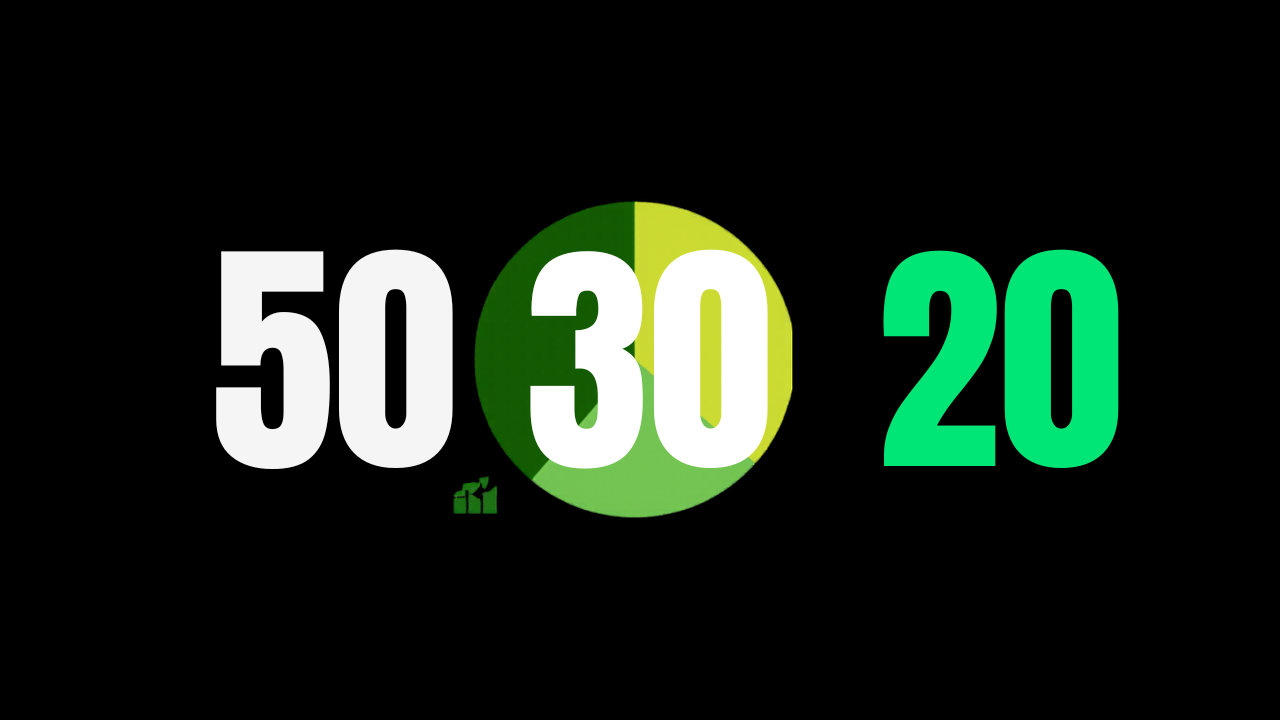
50/30/20 Budget Rule
A Data-Driven Guide for 2026 — With Real Examples, Tools & City Adjustments
💡 Quick takeaway: 50/30/20 works for most people, but the original 1-size-fits-all version breaks down in high-cost cities, for high-income earners, and for anyone with debt above 8% interest. This article shows you the math for 4 income levels, the 5 best apps that automate it in 2026, and exactly how to adjust the rule for your real situation. For the basics, watch the video on our YouTube channel. This article goes deeper.
Why 50/30/20 beats every other beginner budget method
The 50/30/20 rule was created in 2005 by Harvard bankruptcy expert Elizabeth Warren and her daughter Amelia Warren Tyagi in their book All Your Worth: The Ultimate Lifetime Money Plan. Twenty years later, it remains the most-recommended budgeting framework for beginners by major financial institutions — and the data shows why.
Researchers studying budgeting adherence have found that the simpler the system, the longer people stick with it. According to Bankrate’s 2026 budgeting analysis, only 32% of Americans who use complex spreadsheet budgets stick with them past 90 days. Of those using the 50/30/20 rule, 71% are still using it after a year. That’s a 2x retention difference — and retention is everything in personal finance.
Here’s how the 4 most common beginner budget methods compare:
| Method | Setup time | Daily effort | 1-year retention | Best for |
|---|---|---|---|---|
| 50/30/20 | 15 min | None (after auto-transfers) | 71% | Beginners, predictable income |
| Zero-based budget | 2 hrs/month | 15 min/day tracking | 32% | Detail-oriented people |
| Envelope method | 30 min | 10 min/week | 45% | Cash spenders, overspenders |
| Pay-yourself-first only | 5 min | None | 62% | Min-effort savers |
50/30/20 wins because it gives you structure (3 buckets) without micromanagement (no tracking every coffee). It’s the lowest-effort method that still actively builds savings.
The math: 4 income levels worked out
Most articles only show you a $4,000 example. Here’s how 50/30/20 actually plays out across different US take-home pay levels:
| Monthly take-home | 50% Needs | 30% Wants | 20% Savings | 1-year savings |
|---|---|---|---|---|
| $3,000 (entry-level) | $1,500 | $900 | $600 | $7,200 |
| $5,000 (mid-career) | $2,500 | $1,500 | $1,000 | $12,000 |
| $8,000 (senior) | $4,000 | $2,400 | $1,600 | $19,200 |
| $12,000 (high earner) | $6,000 | $3,600 | $2,400 | $28,800 |
Important note for high earners: If you make $12,000+ take-home and your needs realistically only require $3,000–$4,000, don’t artificially inflate your needs to hit 50%. Save the extra. Many financial planners recommend high earners flip to 50/15/35 — keeping needs reasonable and aggressively investing.
The 5 best apps to automate 50/30/20 in 2026
Mint shut down in March 2024, leaving millions of budgeters looking for replacements. Here are the apps actually working in 2026:
- Monarch Money ($14.99/mo) — The clearest Mint successor. Has a built-in 50/30/20 view, syncs every US bank, supports goals tracking. Best overall.
- YNAB / You Need A Budget ($14.99/mo) — More opinionated. Forces zero-based budgeting but has a 50/30/20 template. Steeper learning curve.
- Copilot Money ($13/mo, iOS only) — Beautiful interface, AI categorization. Limited to iPhone users.
- EveryDollar (Free / $17.99 Premium) — Dave Ramsey’s app. Free version is manual; premium auto-syncs banks.
- Empower (Free) — Free forever. Better for net-worth tracking than daily budgeting, but has a budget view that handles 50/30/20.
Our pick for most people: Monarch Money. It’s the closest like-for-like Mint replacement with a clean 50/30/20 dashboard.
City-by-city adjustments (real 2026 data)
The original 50/30/20 rule assumes housing costs roughly 30% of take-home pay (which fits within the 50% needs bucket). In high-cost-of-living cities, that assumption is broken. Here’s how to adjust:
| City | Median rent (1BR) | Recommended split |
|---|---|---|
| San Francisco, CA | $3,200 | 65/15/20 (or move) |
| New York, NY | $3,000 | 60/20/20 |
| Boston, MA | $2,800 | 60/20/20 |
| Los Angeles, CA | $2,400 | 55/25/20 |
| Chicago, IL | $1,800 | 50/30/20 (works) |
| Atlanta, GA | $1,600 | 50/30/20 (works) |
| Most US suburbs | < $1,400 | 50/30/20 (or 45/30/25) |
Critical principle: even in expensive cities, never drop the 20% savings bucket below 15%. If your needs are eating 65%+, the cut comes from the wants bucket, not savings. Future-you can’t afford that compromise.
The behavioral science of why simple rules win
Behavioral economists at the University of Chicago studied why most budgets fail within 3 months. Their finding: it’s not motivation. It’s cognitive load. Tracking every transaction across 50+ categories forces a daily decision-fatigue tax that compounds until you give up.
50/30/20 works because it shifts the decision from “is this purchase justified?” to “which bucket is this?”. Three buckets is something the human brain handles automatically. Fifty categories is not.
The other behavioral hack baked into 50/30/20: guilt-free wants. Every other budget method treats discretionary spending as a failure to be minimized. 50/30/20 budgets it explicitly. The result — people don’t binge-spend in rebellion against the system.
When 50/30/20 stops working (and what to do)
You have credit card debt above 15% interest
Switch temporarily to 50/20/30 debt-attack mode. Reduce wants to 20%, push 30% on debt above the minimum. Credit card debt at 25% APR is a guaranteed -25% return. Killing it beats any investment.
You earn variable income (freelance, gig)
Calculate your percentages on your lowest typical month, not average. Treat anything above as bonus savings. Builds a buffer that smooths cash flow.
You earn $150K+ household income
The 30% wants bucket becomes silly. $5,000+/month for wants leads to lifestyle inflation. Switch to 50/15/35 or 40/20/40 — invest the difference.
You’re saving for a specific large goal (house, business)
Temporarily run 50/20/30 with the extra 10% going to the goal. Set a deadline (e.g., 18 months) so it doesn’t become permanent deprivation.
Action steps for this week
- Find your real take-home pay — last 3 paycheck deposits, average them.
- Multiply by 0.50, 0.30, 0.20 — those are your targets.
- Open 3 separate bank accounts — most online banks (SoFi, Ally, Chime) make this free in 5 minutes.
- Set up automatic split transfers on payday — this is the single most important step.
- Pick one app from the list above to monitor (Monarch is our pick).
- Track for 30 days then check what’s actually working.
📺 Watch the video version on YouTube — we cover the basics with visual examples in 12 minutes: The 50/30/20 Rule Explained on Dollar Decoded
📥 Coming Tuesday: How to build your first $1,000 emergency fund in 30 days — the practical first move after you’ve set up your 50/30/20.
Sources
- Warren, Elizabeth and Amelia Warren Tyagi. All Your Worth: The Ultimate Lifetime Money Plan. Free Press, 2005.
- Bankrate — The 50/30/20 Budget Rule Explained
- NerdWallet — 50/30/20 Budget Calculator
- Citizens Bank — What is the 50/30/20 Budget Rule
- Chase — What Is The 50/30/20 Budget Rule
- Experian — What Is the 50/30/20 Rule
- Alliant Credit Union — The 50/30/20 Budget
Disclaimer: This article is educational content only and does not constitute financial advice. Before making any financial decisions, see our full Financial Disclaimer and consult a licensed financial advisor for guidance specific to your situation.